You can keep your favorite memories without saving every physical object in your home. To learn how to declutter sentimental things without guilt, you need clear boundaries for space, short timed sessions, and permission to let go of items that have served their purpose. This guide shows you exactly how to sort memory boxes, decide what stays, and process hard emotions in twenty minute blocks.
How to Declutter Sentimental Things Without Guilt in 4 Steps
Sentimental items carry weight because your brain connects the physical object directly to a person, event, or time in your life. You feel guilty putting these items away or parting with them because it feels like you are discarding the memory itself. Separating the object from the feeling requires a concrete process that limits fatigue and eliminates the pressure to make instant decisions on your entire life history at once.
Start by gathering your items into one spot and using explicit boundaries. When you give yourself a fixed space for keepsakes, the room itself makes the hard choices for you. This removes the emotional strain of choosing what to throw out, because you are simply choosing what is worthy of your limited display or storage area.
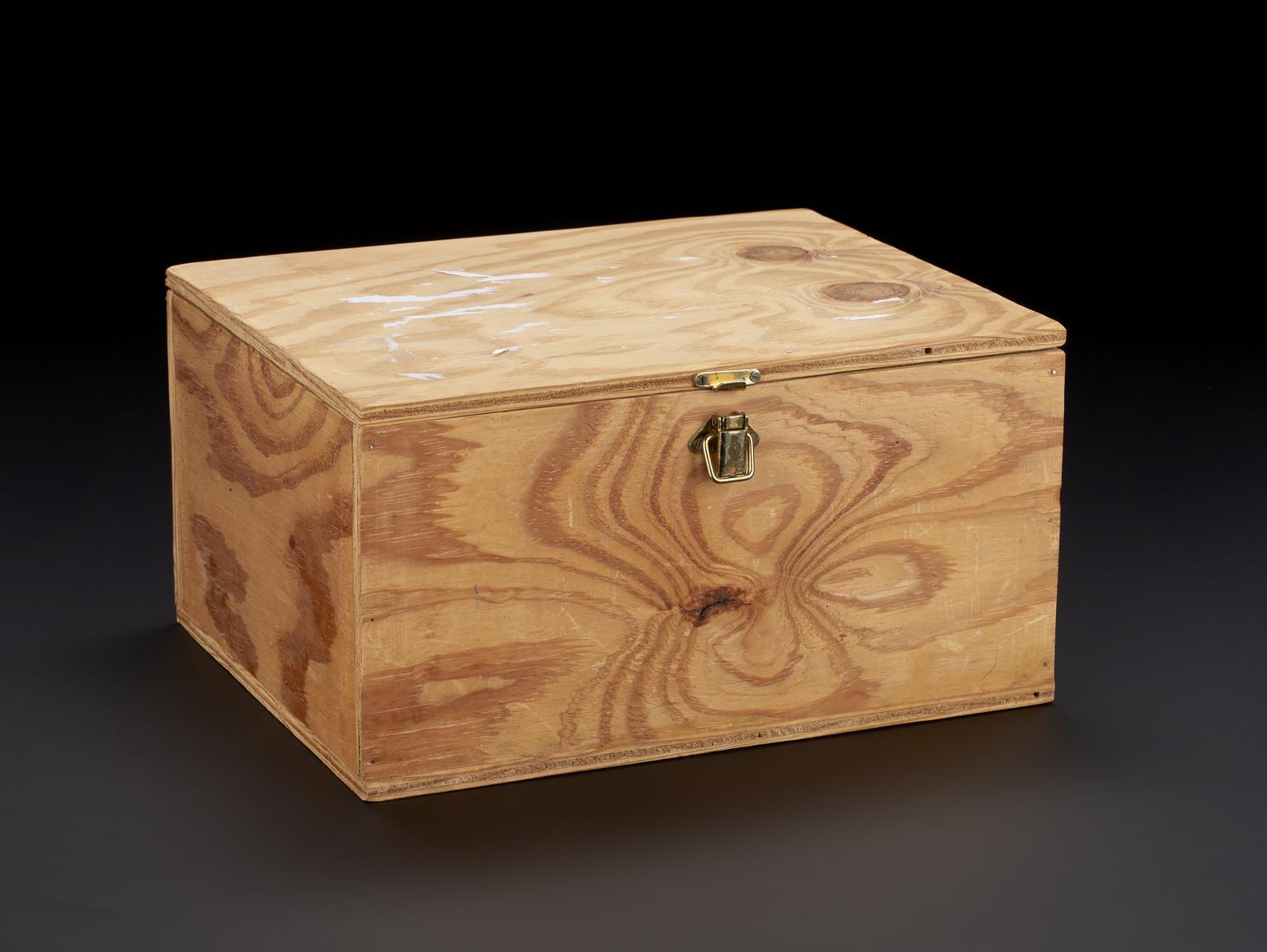
- Set up one plastic bin or tote box with a secure lid for your entire memory collection.
- Set a timer on your phone for twenty minutes and stop the moment it rings.
- Pull out the items that bring an immediate positive feeling and place them inside the bin first.
- Take a high quality photo of secondary items using your phone, then place the physical items in a donation box.
- Close the bin once it is full; anything that does not fit must be sorted out.

Set Clear Physical Boundaries for Your Memory Box
Unrestricted storage space invites endless clutter. If you allow old keepsakes to fill three closets, four under-bed totes, and a corner of the attic, sorting through them feels impossible. Assign one clear container or one dedicated shelf to hold your absolute best memories, which instantly simplifies professional organizing strategies into daily habits.
Measure the space in your home that you can permanently dedicate to sentimental storage. Buy a single sturdy container that matches those measurements. When that box is full, it establishes a hard physical limit. If you want to add a new baby keepsake or vacation item later, you must choose an older item from the box to remove and swap out.
Use the Ten Second Rule for Quick Decisions
When you hold a sentimental item, your first instinct tells you its true value. Pick up an object and notice your initial reaction within ten seconds. If your heart sinks, if you feel heavy, or if you only keep it out of obligation to a relative, that item belongs in your pass-along pile. Keep only the pieces that bring light, genuine comfort, or happy memories instantly.
Paper items like old cards, letters, and ticket stubs often take up the most space while bringing the least joy. Apply quick criteria to sort paper clutter fast so you do not waste hours reading old notes.
- Keep cards that contain a personal, detailed written message from someone you love.
- Recycle generic store bought birthday cards where the sender only signed their name.
- Limit event programs and tickets to the top three favorite shows or trips of your lifetime.
- Store special letters in acid free sheet protectors inside a single slim binder.
Photograph the Memory Before You Recycle or Donate
An object is not the memory; it is only a visual anchor. You can keep the visual anchor while freeing up the physical space in your home by taking a photo of the item. Create an album on your phone or laptop named Memory Box. Take clear, bright photos of childhood drawings, bulky trophies, or inherited china sets, then pass the actual items along to someone who can use them for active housekeeping and daily life.
This digital record preserves the visual detail forever without taking up square feet in your closet. You can glance through a phone photo album in five minutes whenever you feel nostalgic, which is much easier than pulling heavy boxes down from a dusty top shelf.
Pass Inherited Items to Family or Local Groups
Keeping heirlooms in a sealed box in your basement does not honor the person who gave them to you. If items are sitting in the dark unused, they are not being loved. Offering family heirlooms to relatives or donating them to local groups allows those items to be used and appreciated by someone new. Give yourself a strict deadline of two weeks for relatives to claim items, or donate them immediately.
Frame the donation process as a positive hand-off rather than throwing things away. A kitchen set from your grandmother can serve a young couple moving into their first apartment. A collection of vintage books can go to a local public library sale. Releasing these items lets them re-enter the world where they can bring active joy to another household.
Comments
Post a Comment